
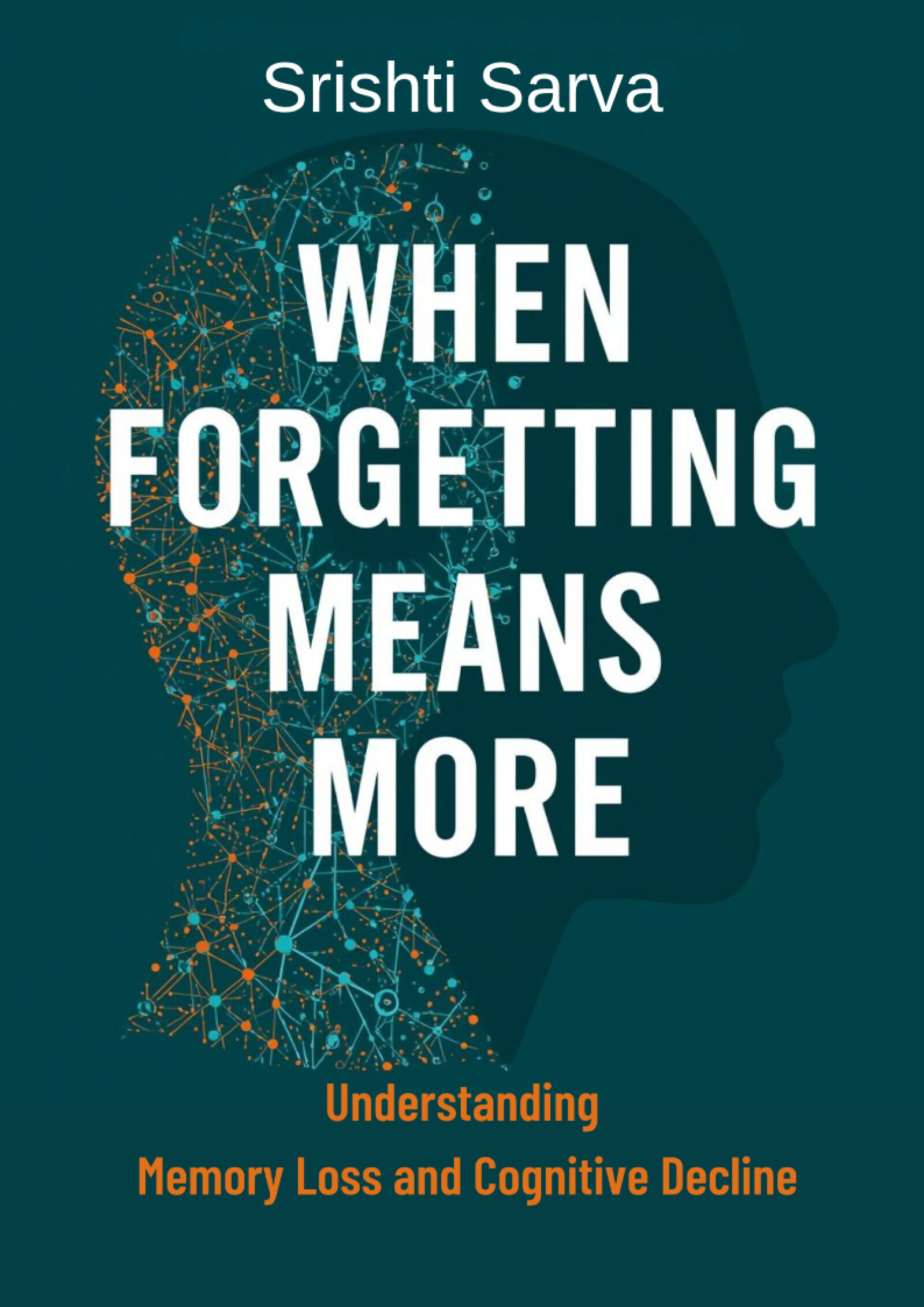

When Forgetting Means More: Understanding Memory Loss and Cognitive Decline
Original price was: ₹570.00.₹369.00Current price is: ₹369.00.
Forgetting where you put your keys is one thing. But when memory lapses become frequent, confusion sets in, and everyday tasks feel overwhelming — it’s time to take cognitive health seriously. Memory loss and cognitive decline affect millions of individuals worldwide, rippling through families, caregivers, and communities in profound and lasting ways.
Whether you’re concerned about your own memory, supporting an aging parent, or simply wanting to protect your brain health for the future, this comprehensive, science-backed eBook delivers everything you need — clearly explained, compassionately presented, and immediately actionable.
Normal Aging vs. Pathological Memory Loss — A Critical Distinction
Occasional forgetfulness is a natural part of getting older. But persistent memory lapses, confusion, and difficulty managing daily tasks can signal something far more serious. Knowing the difference — and recognizing early warning signs — is one of the most important things you can do for yourself or someone you love. This eBook helps you draw that line with confidence.
What You’ll Learn Inside This eBook:
✅ How Memory Works in the Brain — Neurons, synaptic connections, short-term and long-term memory storage, and how the brain’s architecture enables us to store and retrieve information
✅ Normal Aging vs. Cognitive Decline — Distinguishing benign age-related forgetfulness from warning signs of pathological memory loss and dementia
✅ Global Prevalence & Growing Burden — Aging populations, rising neurodegenerative disease rates, and the emotional, practical, and societal impact of cognitive decline worldwide
✅ Causes of Memory Loss — Acute injuries, reversible lifestyle factors, chronic conditions, and progressive neurodegenerative diseases explained
✅ Neurodegenerative Diseases Decoded — Alzheimer’s disease, Parkinson’s disease, and Lewy Body dementia — mechanisms, progression, and key differences
✅ Mild Cognitive Impairment (MCI) — What it is, how it differs from dementia, and why timely intervention at this stage can make a critical difference
✅ Risk Factors — Genetics, familial Alzheimer’s risk, environmental influences, cardiovascular health, lifestyle habits, and comorbid medical conditions
✅ Early Warning Signs — Subtle cognitive changes to watch for — in yourself and loved ones — that warrant prompt professional evaluation
✅ Diagnosis & Clinical Assessment — Medical history review, cognitive testing, standardized screening tools, and what to expect during a memory evaluation
✅ Advanced Diagnostic Tools — Brain imaging, specialized scans, biological markers, and blood tests refining precision diagnosis of memory disorders
✅ Pharmacological Treatments — Medications that slow disease progression or alleviate specific cognitive symptoms — current options and emerging therapies
✅ Non-Pharmacological Interventions — Cognitive training, social engagement, therapeutic activities, and structured routines that maintain function and quality of life
✅ Lifestyle Modifications for Brain Health — Regular exercise, heart-healthy diet, sleep quality, stress management, and cardiovascular health as powerful tools for delaying cognitive decline
✅ Nutrition & the Brain — Dietary patterns (Mediterranean, MIND diet) shown to support cognitive function and reduce dementia risk
✅ Caregiver Support & Strategies — Practical guidance for those caring for someone with memory loss — daily routines, safety, dignity, emotional wellbeing, and preventing caregiver burnout
✅ Creating Safe & Supportive Environments — Home adaptations, memory aids, and community resources that enhance independence and quality of life
✅ Prevention Strategies — Lifelong healthy habits, mental engagement, social connection, and evidence-based approaches to reducing cognitive decline risk
✅ Technology & Innovation in Dementia Care — Brain imaging advances, digital cognitive tools, assistive technology, and apps enhancing daily living for those affected
✅ Societal & Policy Responses — Public health initiatives, community programs, stigma reduction, and growing support systems for individuals and families
✅ Future of Memory Loss Research — Emerging therapies, clinical trials, and the collective scientific effort forging a path toward better prevention and treatment
Who Is This eBook For?
This guide is perfect for:
- Adults concerned about their own memory or cognitive changes
- Family members and caregivers supporting someone with Alzheimer’s, dementia, or MCI
- Older adults wanting to proactively protect their brain health
- Healthcare professionals seeking a comprehensive patient-friendly cognitive health resource
- Anyone with a family history of Alzheimer’s or other neurodegenerative diseases
- Health enthusiasts wanting to understand and optimize long-term brain function
Why This eBook Stands Out
This isn’t a basic “do crossword puzzles” guide. It’s a thorough, neuroscience-grounded, holistically comprehensive resource that addresses memory loss and cognitive decline from every angle — biological, clinical, lifestyle, caregiver, and societal — giving you a genuinely complete picture and a compassionate, practical path forward.
Format: Digital Download (PDF) Instant Access: Available immediately after purchase
Disclaimer: This eBook is for informational purposes only and does not substitute professional medical advice. Always consult a qualified healthcare provider for diagnosis and treatment.
Worried about forgetfulness, cognitive decline, or dementia in yourself or a loved one? This comprehensive eBook covers the full spectrum — from normal aging and mild cognitive impairment to Alzheimer’s, Parkinson’s, and Lewy Body dementia — explaining causes, early warning signs, diagnosis, pharmacological and non-pharmacological treatments, lifestyle strategies, caregiver support, and the latest research breakthroughs for lasting brain health and cognitive resilience.